




Understanding Your Bulk Inventory
When selecting a level sensor, it's important to consider several bulk material characteristics—including the vessels they will be stored or measured in.
The bulk density, dielectric constant, and specific gravity of liquids, slurries, powders, and bulk solids helps define the ideal technology for your application.

Prioritizing Worker Safety in Bulk Storage Environments
BinMaster level sensors and inventory software minimize manual labor requirements. However, all worksites should prioritize safety wherever bulk inventory is involved.
Being aware of material behaviors helps prevent structural damage, maximizes worker safety, and enables the highest level of accuracy when measuring inventory level, weight, or volume.
Bulk Material Behavior Guides
The density, permittivity, and gravity of bulk materials allow ensure efficient transportation, precise batching or blending, and the filling of storage vessels to full capacity.
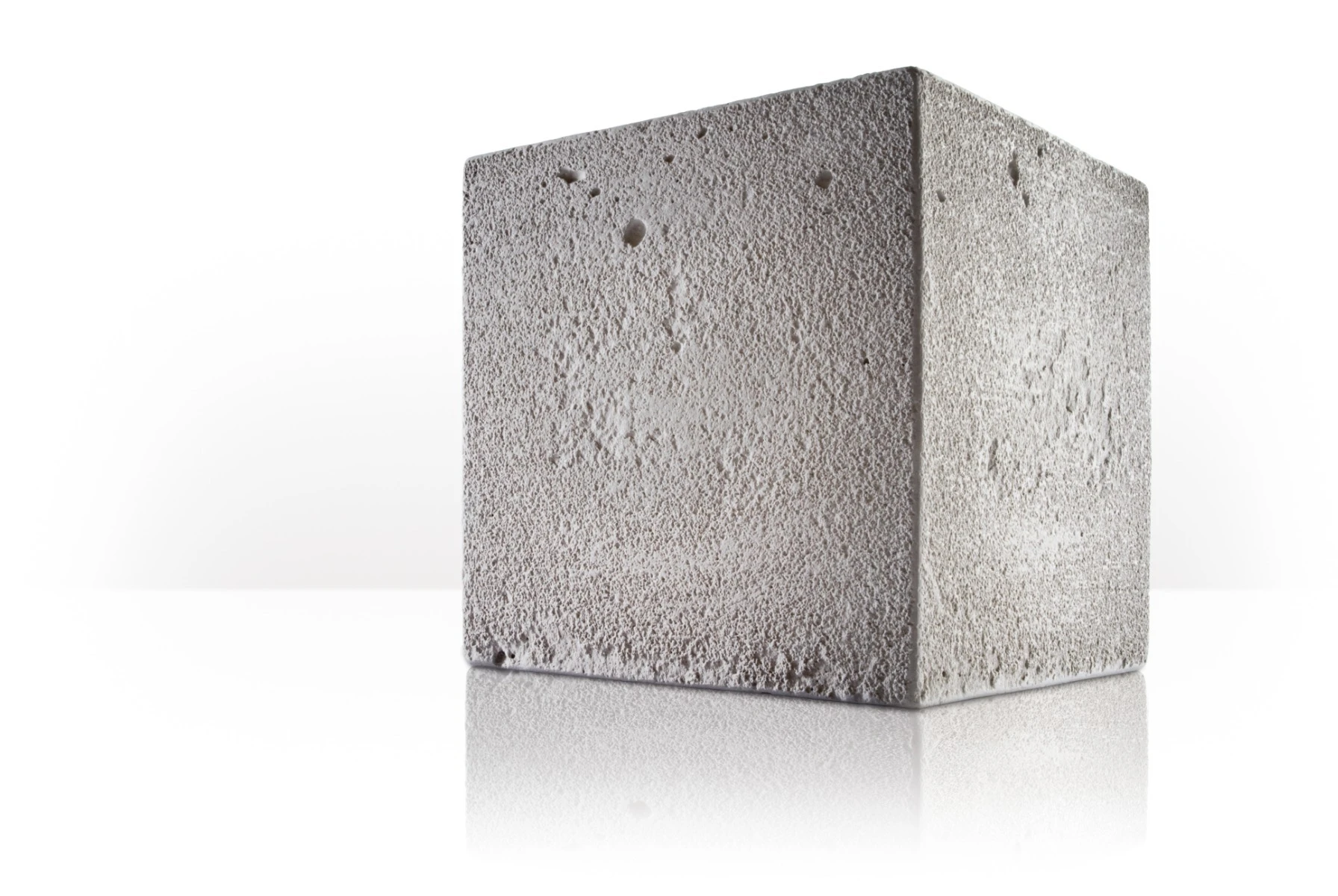
Bulk Density
Defined as the mass per unit volume of powders or granules in their bulk state. Helps calculate mass and volume. Weight is typically specified in lb./ft³ or g/cm³.

Dielectric Constant
A measure of a material's ability to store electrical energy. Choosing the right level sensor is crucial, as some sensors can be affected by a material's permittivity.

Specific Gravity
Often used to determine the most accurate total volume, buoyancy, or material purity of liquids, slurries, or bulk solids stored in a tank.