
Influences Inventory Detection
If a sensor technology is not suited for the material’s dielectric properties, measurement accuracy may be affected by weak signal reflections, dust, or irregular material surfaces.




The dielectric constant of a material is an important factor in selecting the right level measurement technology for bins, tanks, and silos. It describes how a material interacts with electrical or electromagnetic energy and directly affects the performance of certain level sensors.
Many level measurement technologies—including radar, guided wave radar, and capacitance sensors—rely on the dielectric properties of solids, powders, or liquids to measure material levels accurately.
Understanding a material’s dielectric constant helps ensure reliable measurements and optimal sensor performance in bulk material storage applications.
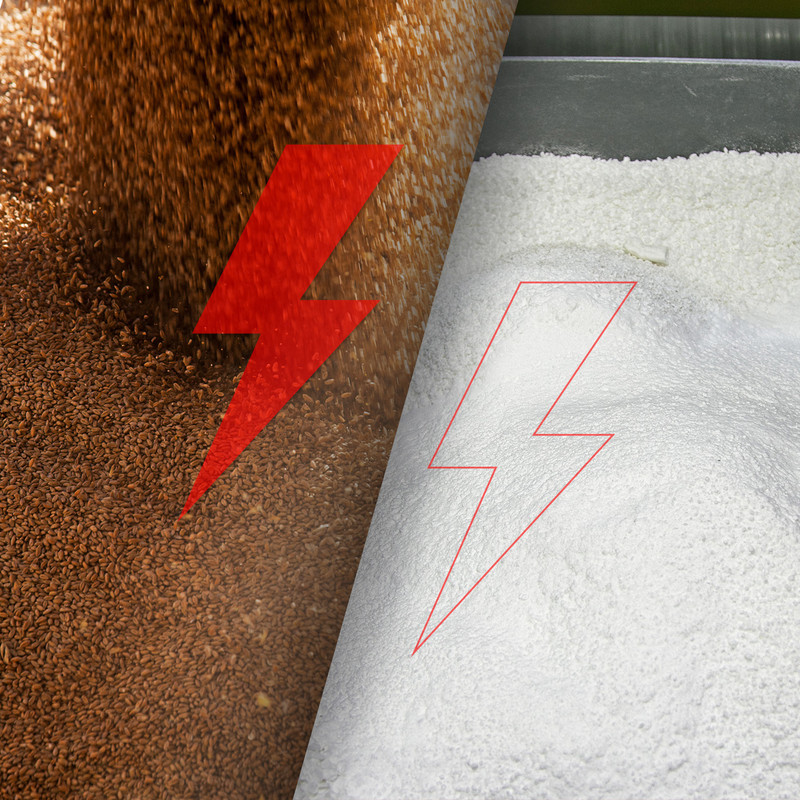
Dielectric constant is a measure of a material’s ability to store electrical energy in an electric field. In level measurement applications, it determines how well a material reflects or interacts with signals transmitted by the sensor.
Materials with higher dielectric constants generally produce stronger signal reflections, making them easier to measure.
Materials with lower dielectric constants can be more challenging to detect and may require specific sensor technologies or configurations.

Common bulk materials and their approximate dielectric characteristics include:
Because dielectric properties vary widely across materials, understanding this value helps ensure the correct measurement technology is selected.
In bulk material storage and processing operations, accurate level measurement is essential for inventory control, process efficiency, and safety.
The dielectric constant of the stored material influences how reliably certain sensors detect bulk materials.
Influences Inventory Detection
If a sensor technology is not suited for the material’s dielectric properties, measurement accuracy may be affected by weak signal reflections, dust, or irregular material surfaces.

Ensures Consistent Measurements
Knowing a material's dielectric constant helps ensure reliable, repeatable measurement results, even when materials vary in density, moisture content, or particle size.
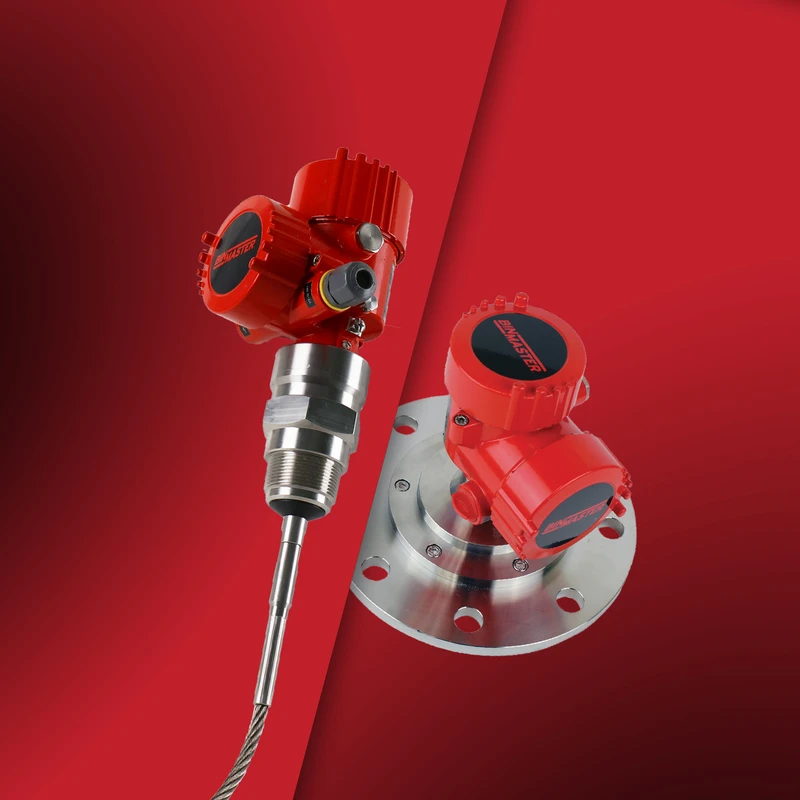
By offering multiple sensing technologies, BinMaster can provide reliable level measurement solutions for a wide range of bulk materials and storage conditions.
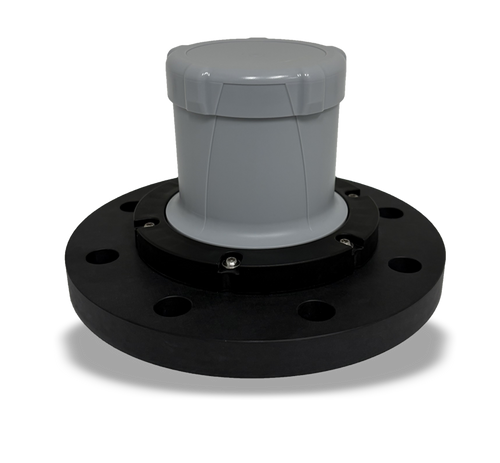
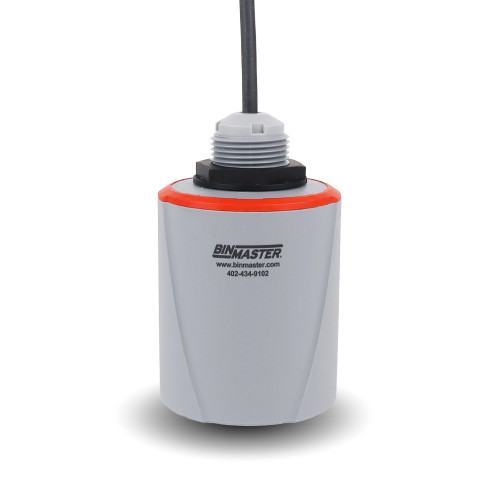
Radar Level Sensors
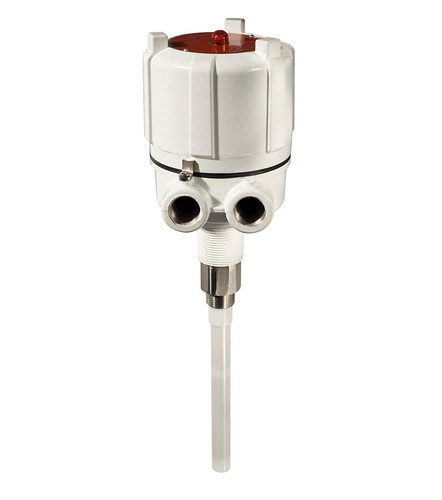
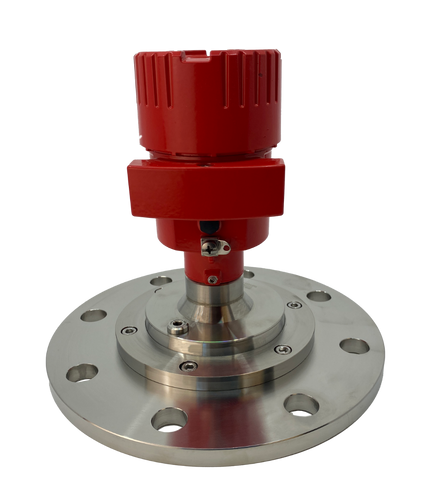
Guided Wave Radar Sensors
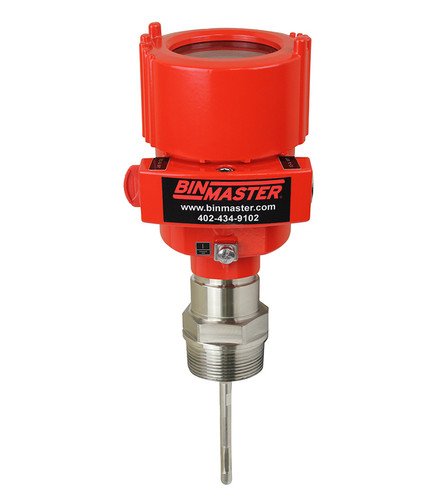
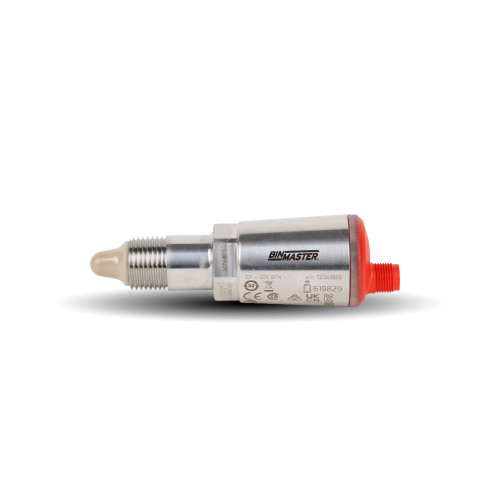
Capacitance Level Sensors
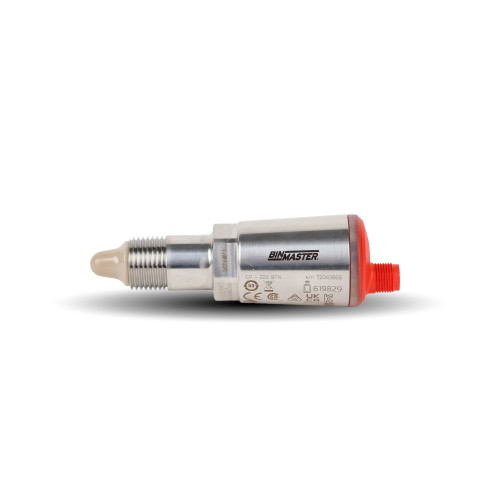
BinMaster offers a wide range of level measurement technologies designed to perform reliably across materials with different dielectric properties.

Choosing the right level measurement technology requires understanding both the storage environment and the material's physical characteristics.
Factors such as dielectric constant, dust levels, vessel geometry, and process conditions all play a role in sensor selection.
BinMaster application specialists work with customers to evaluate these factors and recommend the most appropriate sensor technology for each application.
The result is reliable level measurement, improved inventory visibility, and more efficient bulk material management.