The store will not work correctly when cookies are disabled.
We use cookies to make your experience better.To comply with the new e-Privacy directive, we need to ask for your consent to set the cookies.Learn more about our cookie policy.
Now more than ever, manufacturers expect—and must navigate—volatile supply chains and pricing. Effective bulk material management begins with smart systems that make data easily accessible, which ultimately helps strengthen inventory control.
Level sensors and software from BinMaster help industrial operators accomplish the leading principles of Industry 4.0 and Industry 5.0. From supporting the implementation of machine learning models to automation and human-centric data reports, learn more about the components—and the whole picture—of Industrial Internet of Things (IIoT) solutions.
Level sensors and bin scales have their own unique applications. Utilizing both in one inventory management system provides many benefits, including real-time monitoring and redundancy to verify the accuracy of measurements.
But in which situation or conditions is each method of measurement best suited? Will remote inventory monitoring software be necessary, or is local data integration a better fit?
Find the answers and learn more about these systems in BinMaster's whitepaper, "Level & Weight Measurement Technologies for Accurate, Automated Operations."
When it comes to measuring and managing bulk inventory, precision and visibility are essential. Load cell based inventory systems provide accurate bin weights as actionable data, helping industrial processors, agricultural operators, and livestock producers account for bulk materials and make better business decisions.
Additional offerings such as batch controls, remote monitoring software, and interfaces for easy integration into local controls allow even more flexibility.
In this whitepaper, learn the benefits of load cell based inventory systems, unique considerations when choosing a system, and the impressive return on investment that accurate bin weighing systems may provide.
Accounting professionals and bulk operators grapple with inventory accuracy challenges that impact financial statements and operations planning. Traditional measurement (tapes and spreadsheets) often result in substantial discrepancies.
Precise inventory data plays a pivotal role in several key areas. It ensures financial reports, including balance sheets and income statements, accurately reflect the company’s position.
This accuracy is crucial for tax planning, helping avoid overstated profits that could lead to overpayment of estimated taxes. Correct inventory levels are essential for optimizing working capital management and cash flow, preventing unnecessary purchases. In cost accounting, accurate data provides a clearer understanding of the true costs of goods sold. Learn how BinCloud® provides this valuable accuracy to operators worldwide.
Food, consumer products, packaging…nearly everything…involves the use of bulk solids at some point during their manufacture. In the retail world, inventory record accuracy costs an average of 1.75% loss of revenue. Their suppliers also suffer up to 0.73% loss of revenue. In a world of Industry 4.0 and block chain practices, a discrepancy with inventory measurements undermines inventory control, makes ordering decisions ineffective and results in poor delivery and higher inventory costs.
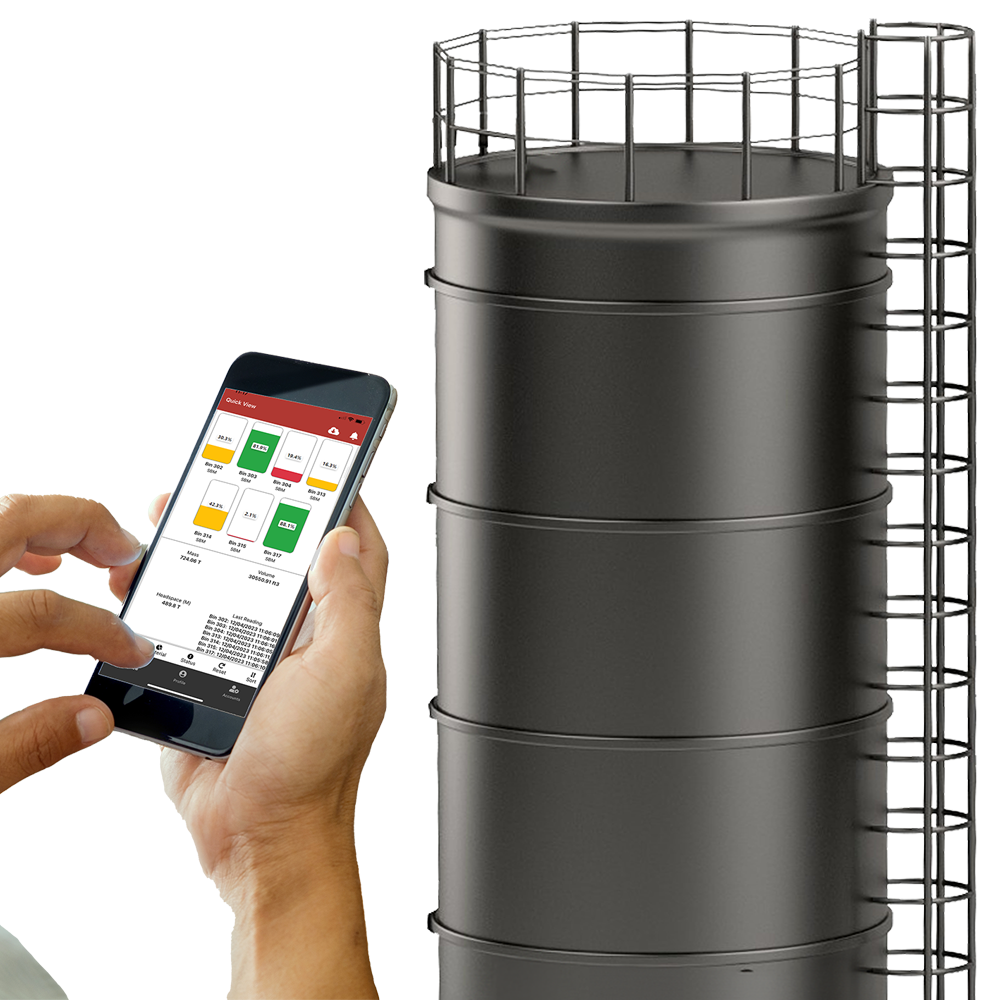
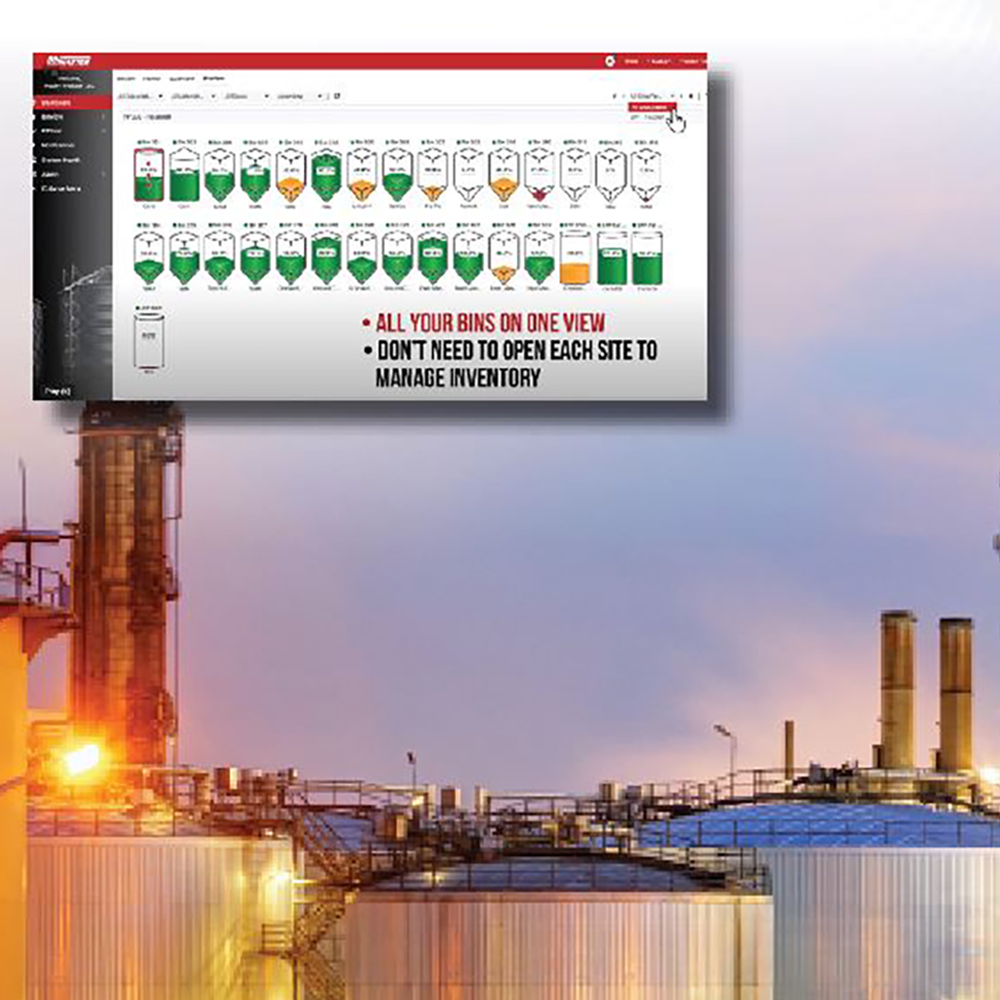
Smart silos, equipped with advanced sensors, data analytics, and automation, revolutionize bulk storage conditions and ensure product quality and safety. Intelligent inventory systems leverage IoT and cloud to minimize waste, enhance inventory management, and optimize processing operations. BinCloud BinMaster’s centralized software platform collects and presents data from continuous level sensors. It includes easy-to-understand graphical reports for multiple silos in one, or more, facilities. Intelligent silo systems eliminate the need for risky manual measurements, offering real-time level measurements and allowing administrators to delegate tasks with emailed reports.
While manufacturing managers were implementing the Industry 4.0 philosophy, COVID-19 hit. The pandemic brought worker and supply chain shortages and accelerated the effort to boost technology in manufacturing. BinMastersensors and software fit perfectly into Industry 4.0 goals.
In the fast-paced world of industrial operations, the efficiency of managing bulk materials plays a pivotal role in determining the success of businesses. BinMaster delves into the crucial aspect of demand forecasting and its impact on inventory costs, resource allocation, and overall profitability.
The proactive approach of demand forecasting shows potential cost reductions of up to 20%–30%. Whether it’s powders, pellets, or solids, the frequency and strategy of replenishing materials can significantly affect the bottom line.
Before COVID-19 and the supply chain crisis, industries relied on savvy just-in-time ordering to minimize carrying costs like warehousing, tied-up capital, product spoilage, and waste. According to Investopedia, such carrying costs represent up to 30% of total material value.
“BinMaster is navigating the same supply chain waves as our customers,” said Scott Hudson, President, BinMaster. “We’re hearing from people who can’t get their materials delivered on a consistent schedule, so they’re really using BinMaster for planning orders. They can’t afford to shut down production because of a bad or outdated measurement.”
As organizations polish Industry 4.0 tools and processes—including level sensors and software for inventory management—a new focus has emerged that helps companies define ways to benefit employees, sustainability, fairness, and human interaction.
Industry 5.0 benefits from 4.0 achievements regarding industrial automation and process improvements. This new phenomenon points to sustainable, human-centric goals, requiring leaders to ask, “Are we supporting future societal values?”
Now more than ever, manufacturers expect—and must navigate—volatile supply chains and pricing. Effective bulk material management begins with smart systems that make data easily accessible, which ultimately helps strengthen inventory control. Level sensors and software from BinMaster help...
As demand grows and trends balloon in the food & beverage industry, the pursuit of peak efficiency may feel never-ending. Compliance with health and safety standards continues to remain of the highest importance as plants expand and multi-national systems require robust remote monitoring software....
Level sensors and bin scales have their own unique applications. Utilizing both in one inventory management system provides many benefits, including real-time monitoring and redundancy to verify the accuracy of measurements. But in which situation or conditions is each method of measurement best...
As of November 10, 2025, Garner Industries LLC will operate under a new name: BinMaster Sensors and Technologies LLC. The new name reflects the company’s continued growth, innovation, and commitment to delivering advanced sensors, software, and technologies that help customers make smarter, safer,...