

The store will not work correctly when cookies are disabled.
We use cookies to make your experience better.To comply with the new e-Privacy directive, we need to ask for your consent to set the cookies.Learn more.
Now more than ever, manufacturers expect—and must navigate—volatile supply chains and pricing. Effective bulk material management begins with smart systems that make data easily accessible, which ultimately helps strengthen inventory control.
Level sensors and software from BinMaster help industrial operators accomplish the leading principles of Industry 4.0 and Industry 5.0. From supporting the implementation of machine learning models to automation and human-centric data reports, learn more about the components—and the whole picture—of Industrial Internet of Things (IIoT) solutions.
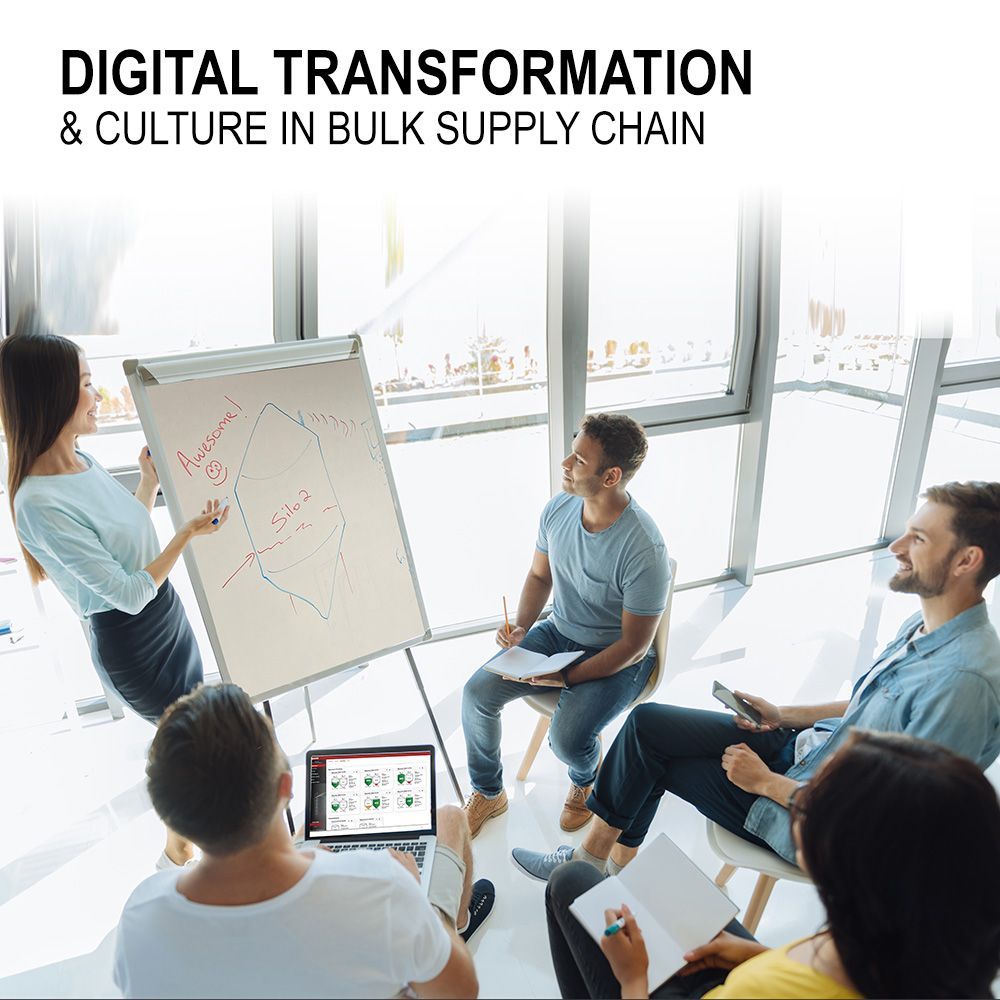
While manufacturing managers were implementing the Industry 4.0 philosophy, COVID-19 hit. The pandemic brought worker and supply chain shortages and accelerated the effort to boost technology in manufacturing. BinMastersensors and software fit perfectly into Industry 4.0 goals.
Not long ago, bulk material management involved dirty clipboards, dangerous climbing, and long tape measures to determine grain, plastic, and cement levels in a bin or silo. Enter digital transformation which replaces antiquated processes using high-tech instruments like BinMaster level sensors and cloud software.
Digital transformation improves supply chain resilience, automation, accuracy, and efficiency, benefiting people effectively collaborating in a digital system.
BinMaster technology fits into the category of Internet of Things (IoT) which describes a wireless network of devices embedded with sensors for the purpose of connecting and exchanging data.IoT is automating manual tasksin the manufacturing industry.
IoT inventory sensors and software: > Provide insights for data-driven decisions. Increase efficiency and drive down costs > Shorten lead times for production > Reduce carrying costs and last-minute purchases > Reduces waste on bulk inventory that could spoil > Integrates inventory data to Enterprise Resource Planning systems > Streamlines transportation and timely ordering > Requires less labor and guesswork
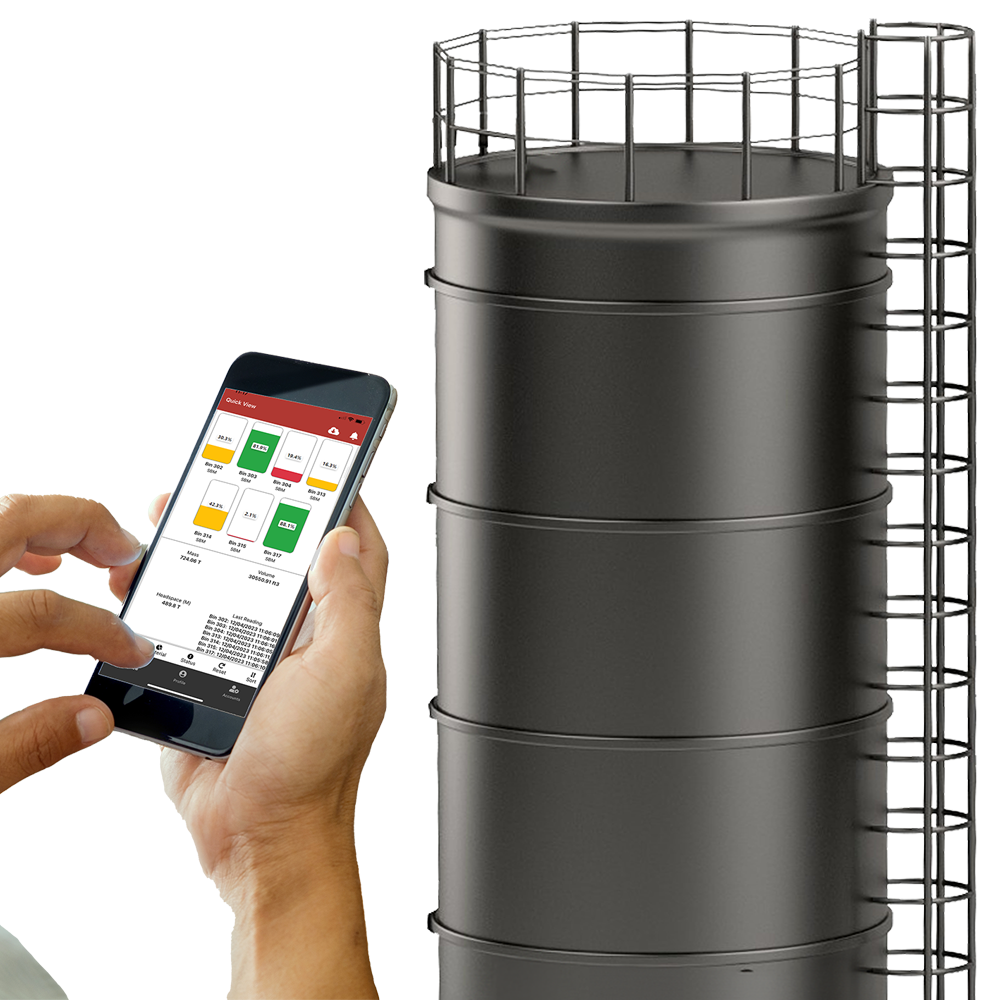
Many feed mills, grain storage facilities, and pet food plants are big in size and small on staff. Making bin inventory management available anywhere anytime enables people to be more efficient in their jobs. Today, a simple log into a website using an app or Software as a Service program puts real-time data in front of people who need it to make timely decisions. Improvements in processing efficiency, ordering, and delivery schedules, eliminating material shortages, and reducing carrying costs are just a few of the benefits of monitoring bin levels while on-site or off-premises. Automated alerts via text or email allow for proactive actions that can add to a mill’s bottom line.
A storm of challenges faces organizations including the strain of product demand, limited supply chain resources, and an unprecedented exodus of people leaving the workforce. Industry 4.0 technology and systems provide some relief.
Industry 4.0 is a system that combines informational and operational technology to make manufacturing more aware, predictive, and autonomous. Employees operating in a 4.0 environment are highly connected with a more complete view of their business ecosystem.
“Ultimately, you want to run autonomously in a closed-loop system where humans set parameters, but technology runs itself,” said Chris Hill, Technology Program Director at Iowa State University Center for Industrial Research and Service. “Sensors and software directly feed an Industry 4.0 environment. They replace a physical process and feed information back to people.”
Islands in the Caribbean endure plenty of weather events, but Hurricane Maria in 2017 was particularly damaging to Puerto Rico. According to their government, the water system—114 municipal water treatment plants—was severely damaged, leaving about half of the residents without water. Extra funding and attention to long-term solutions include water level storage sensors and software by BinMaster.
Every year, more than 500,000 people are treated for ladder-related injuries—according to the U.S. Center for Disease Control. 300 of these people die. The cost is high—both personally and financially—as ladders account for work loss, medical, and legal fees, and pain and suffering. It’s a $24 billion problem.
Industries are quickly realizing the best solution is automation when it comes to silo, tank, or bin measurements. BinMaster provides sensors that continuously measure bulk inventory and send data to a cloud-based application for use by operations, maintenance, transportation, and supply staff.
Read how a leading North American cement provider took on these site safety challenges.
Level sensors play a large role in helping operations access bin level measurements safer, smarter, and more accurately—from grain storage and handling to cement manufacturing and every industry in between.
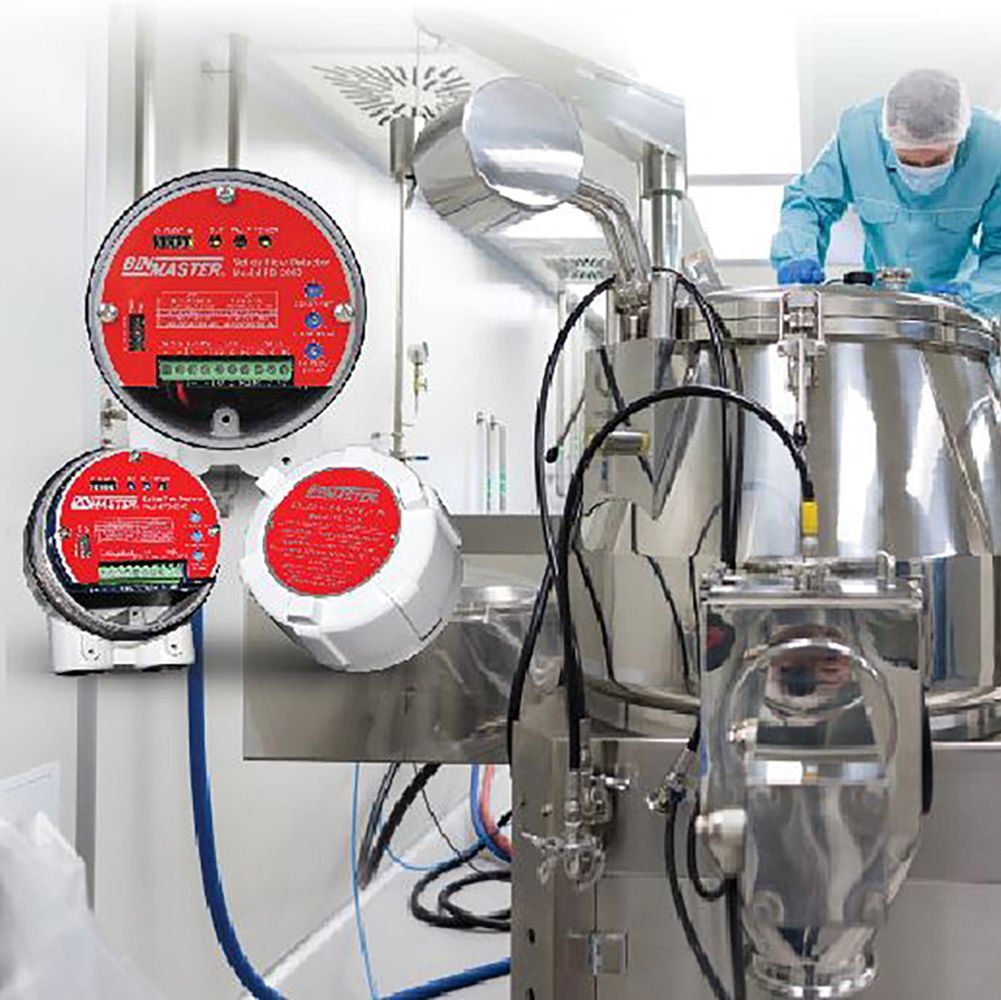
BinMaster offers a variety of level sensors—including non-contact radars, 3D scanners, plumb-bobs, and lasers—that collect measurements and transmit bulk inventory data to cloud-based applications.
Because silos are typically dusty atmospheres, measuring flour and wheat can be tricky. These silos often require sensors that measure levels via radar technology.
BinMaster provides these sensors to agricultural operations worldwide. In this application story, non-contact radar (NCR) sensors were incorporated into the Bay State Milling Company for measuring a variety of high-fiber wheat inventory.
According to Forbes, more than 54% of all manufacturers have instituted or launched a smart factory initiative. Smart factories call for asset tracking, intelligent RFID, and sensors to lower costs, provide advanced analytics, and make data cloud accessible.
The rate of implementation is happening at a dizzying rate, often leaving operations with a hodge-podge of log-ins, reports and tracking.
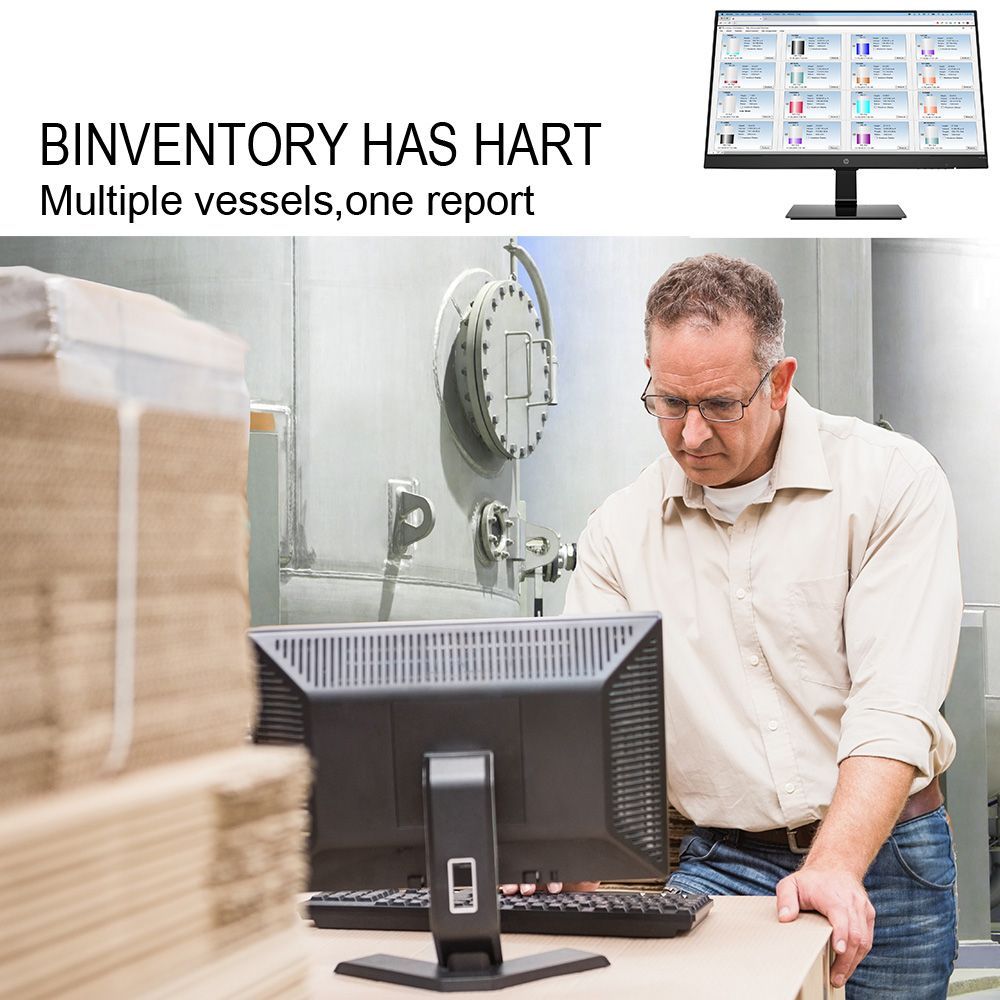
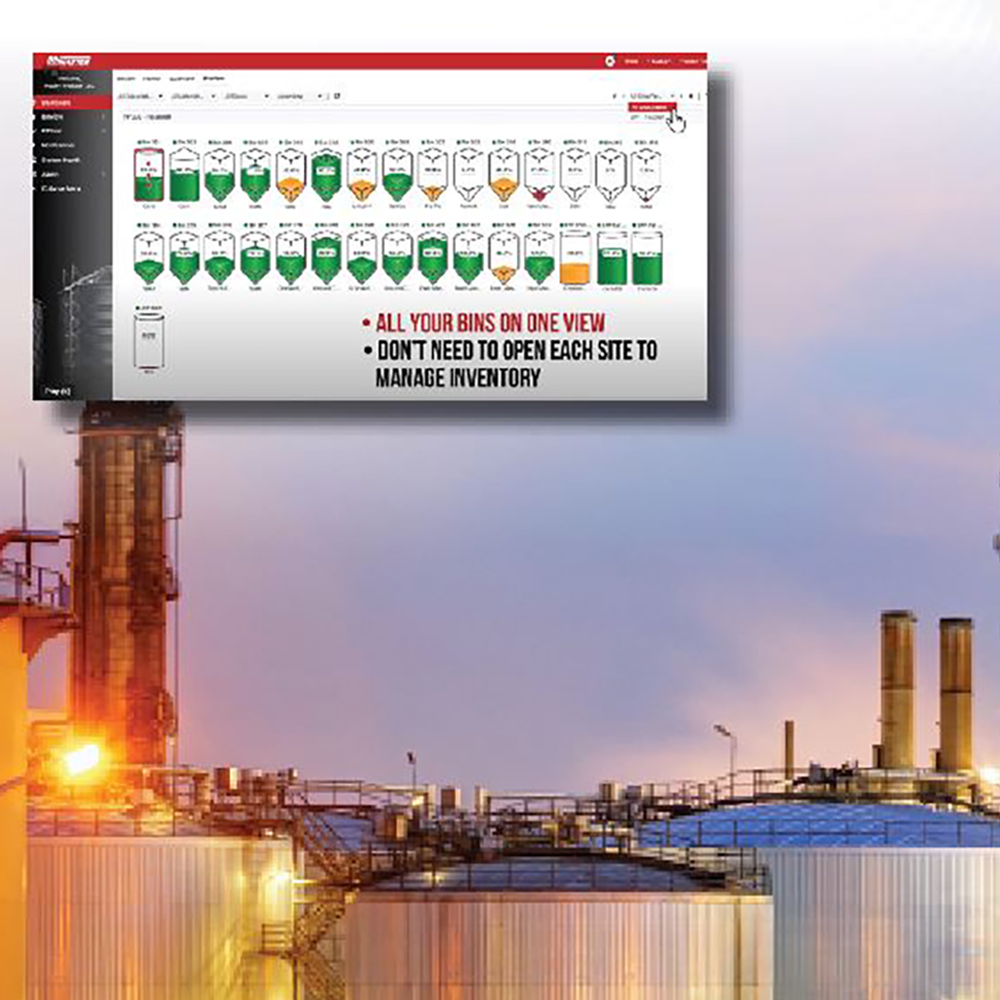
BinMaster sensors and software have been a mainstay for smart factories for decades—in fact, before the term smart factory was fashionable! We know—and helped build—the smart factory movement. First with eBob, and now with Binventory, that hodge-podge of data is pulled together into one easy-to-decipher inventory report.
Now more than ever, manufacturers expect—and must navigate—volatile supply chains and pricing. Effective bulk material management begins with smart systems that make data easily accessible, which ultimately helps strengthen inventory control. Level sensors and software from BinMaster help...
As demand grows and trends balloon in the food & beverage industry, the pursuit of peak efficiency may feel never-ending. Compliance with health and safety standards continues to remain of the highest importance as plants expand and multi-national systems require robust remote monitoring software....
Level sensors and bin scales have their own unique applications. Utilizing both in one inventory management system provides many benefits, including real-time monitoring and redundancy to verify the accuracy of measurements. But in which situation or conditions is each method of measurement best...
As of November 10, 2025, Garner Industries LLC will operate under a new name: BinMaster Sensors and Technologies LLC. The new name reflects the company’s continued growth, innovation, and commitment to delivering advanced sensors, software, and technologies that help customers make smarter, safer,...
When it comes to measuring and managing bulk inventory, precision and visibility are essential. Load cell based inventory systems provide accurate bin weights as actionable data, helping industrial processors, agricultural operators, and livestock producers account for bulk materials and make...