
Blending & Formulation
Accurate ratios are required in blending operations for food processing, chemicals, and other manufacturing processes.






Specific gravity is an important physical property used to understand how liquids, slurries, and bulk solids behave in storage vessels such as bins, tanks, and silos. It compares the density of a material to the density of water and helps determine the relationship between volume and weight.
In bulk material handling and process industries, knowing the specific gravity of stored materials helps operators estimate inventory, maintain product quality, and ensure that vessels and equipment are designed to withstand the stresses imposed by stored materials.

Specific gravity is the ratio of a material’s density compared to the density of water at a standard temperature.
Water has a specific gravity of 1.0. Other materials are measured relative to this value.
Materials with a specific gravity greater than one are heavier than water, while materials with a value less than one are lighter.
Specific gravity is commonly used when measuring liquids, slurries, and certain bulk solids because it provides a consistent way to compare materials and calculate mass based on measured volume.
Because it provides a reliable comparison against water, specific gravity offers a consistent way to measure and monitor material characteristics across different processes and industries.
Understanding the specific gravity of a material helps engineers and plant operators make informed decisions about storage, processing, and transportation. It's particularly important for:
Blending & Formulation
Accurate ratios are required in blending operations for food processing, chemicals, and other manufacturing processes.

Equipment Design
Engineers consider the weight of bulk inventory to ensure that structures can safely withstand the loads & pressures of stored material.

Inventory Calculations
Combining level measurements with specific gravity values allows operators to calculate the total weight of material stored in a vessel.

Quality Control
Changes in specific gravity may indicate contamination, impurities, or variations in material composition.
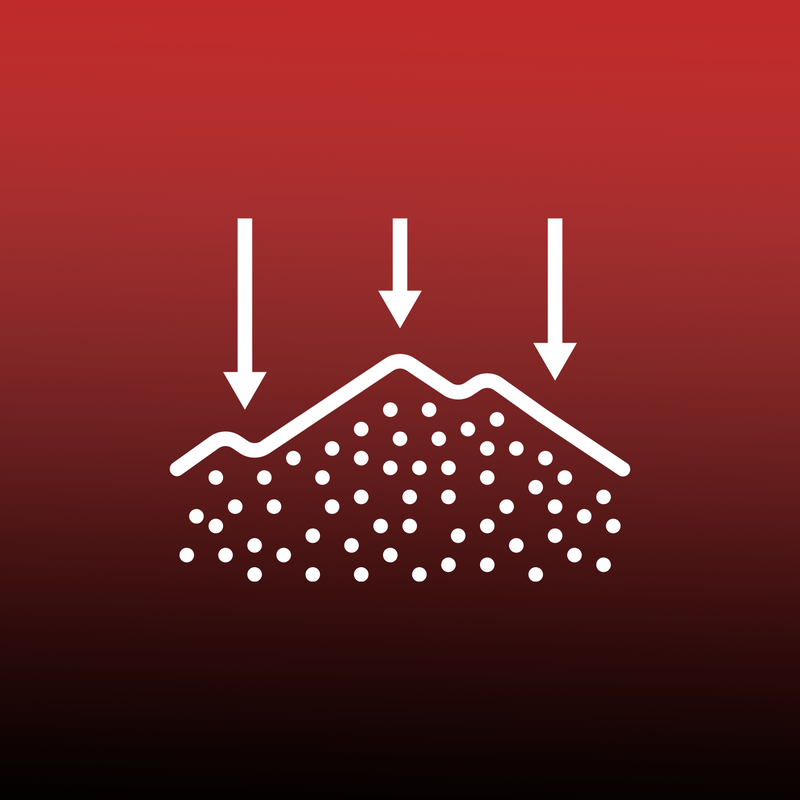
In bins, silos, and tanks containing bulk solids, material density can increase with depth as particles compact under their own weight.
While compaction affects bulk density, it does not change the inherent specific gravity of the material itself.
Understanding both bulk density and specific gravity helps operators estimate the true mass of stored materials more accurately.
These values are commonly used together when calculating inventory levels and evaluating storage capacity.
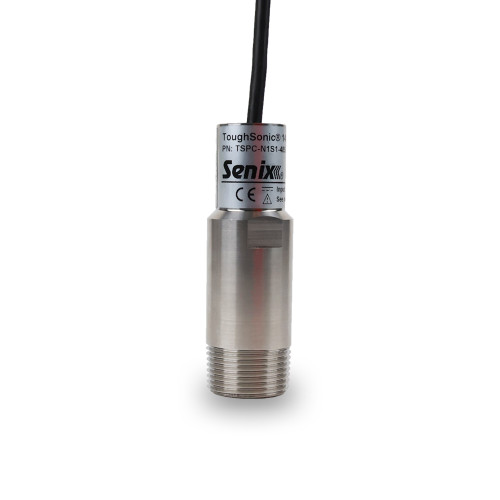
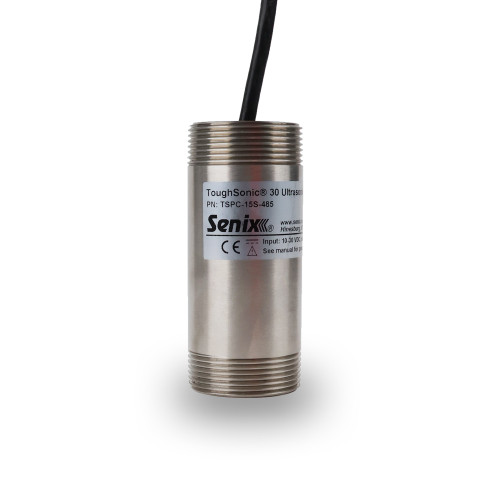
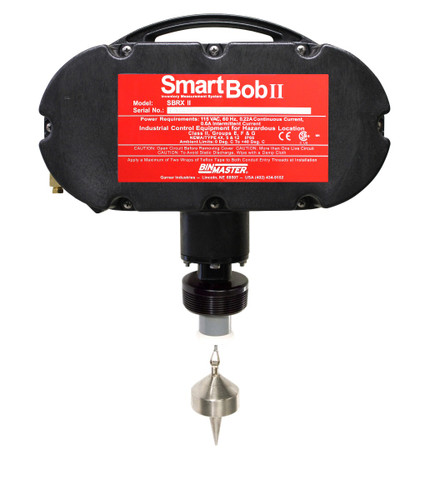
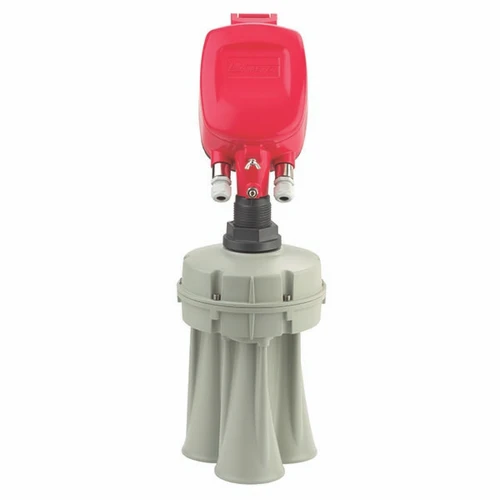
BinMaster level sensors measure the distance from the sensor to the surface of stored material.
This measurement determines the volume of material in a vessel, which can then be converted to weight when combined with density or specific gravity.
These technologies provide accurate level readings, regardless of the specific gravity of the stored material. When combined with density or specific gravity data, operators can convert measured volume into mass for more accurate inventory reporting.

Inventory management systems, such as BinCloud® software by BinMaster, combine level measurements with vessel dimensions and material properties to estimate stored material weight.
For liquid and slurry applications, specific gravity values help convert level measurements into accurate weight calculations. This allows operators to monitor inventory in units such as pounds, tons, or kilograms rather than simply volume.
With real-time monitoring and automated reporting, facilities gain better visibility into material usage, purchasing needs, and process efficiency.

Selecting the right level measurement technology requires understanding both the storage environment and the material's physical properties, including density and specific gravity.
BinMaster's application specialists collaborate with customers to evaluate their storage vessels, materials, and process requirements.
Based on these factors, they recommend the best continuous or point level sensors and configure systems that deliver accurate inventory data through BinCloud® monitoring software.