
Delivery Scheduling
Especially during harvest, grain trucks are held up in long lines at ethanol plants. BinCloud® software’s truck management feature displays remaining bin capacity.






Renewable energy is revolutionizing the power generation process to make an environmental impact.
BinMaster offers precise level sensors and inventory management software for ethanol producers, wood pellet plants, and biodiesel processors. Our solutions measure corn, DDGS, CDO, wood fibers, vegetable oils, and animal fats in storage vessels, hoppers, chutes, and on conveyors.
Based in Lincoln, Nebraska, we provide expertise to optimize operations and address biomass & biofuel management challenges.
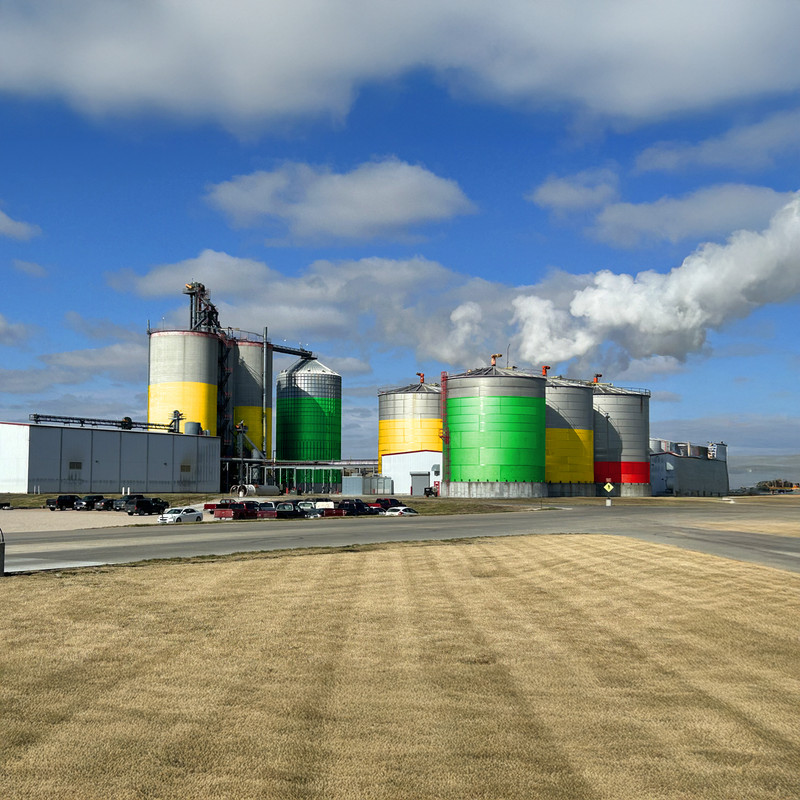
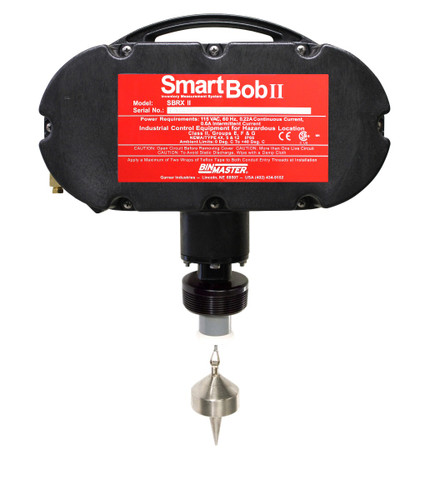
Level sensors monitor ethanol and biofuel volumes in large storage bins and tanks. Software provides real-time inventory updates to ensure continuous processing and efficient supply chain management.
Process Control
Sensors track changing bulk materials and bin and tank levels during production. Software reports level data at each production stage, enhancing efficiency and consistency in biofuel manufacturing.
Safety & Compliance
Level sensors prevent risky situations—such as bin climbing and overfilling—by automating and triggering alarms. Software provides regulatory compliance in detailed inventory reports.
Cost Efficiency
Accurate material level measurements reduce waste and optimize raw material use. Sensors and software help cut production costs, minimize losses, and reduce labor requirements.
Remote Monitoring
BinCloud® software enables remote inventory level monitoring and control via a secure cloud platform. Operators access real-time data for every location using a phone, tablet, or PC.

BinMaster makes managing inventory easy for the bioenergy industry by providing precise level measurement and cloud-based monitoring solutions, ensuring efficient storage and supply chain management.
Ethanol Producers
Dry grind ethanol production involves monitoring levels in slurry, cooling, fermentation, distillation, and storage tanks. Whole silage byproducts are further processed and dried to create dried distillers grains (DDGS).
Biomass Plants
Raw biomass containing wood processing waste, husks, and black liquor from paper mills is stored before being processed into biofuels. Ash by-product storage is monitored for proper disposal.
Wood Pellet Manufacturers
Biomass storage, dryers, cyclones, conveyors, coolers, screeners, finished pellet storage, and packaging stations require bulk material level monitoring at every step of the pelletizing process.
Biodiesel Production
Monitor ingredients—vegetable oils, yellow grease, used cooking oils, animal fats, and alcohol—stored in tanks, reactors, separators, mixers, blenders, and storage tanks.
Corn Distiller Oil
Derived from corn-based ethanol, corn distiller oil (CDO) is a high-quality fat used as an animal feed ingredient. It is a valuable, profitable co-product of dry-grind ethanol plants.
Hog Fuel Byproducts
These wood byproducts or waste are burned for fuel used in sustainable energy production and paper manufacturing. Hog fuel is the basic feedstock for biomass-fired power plants.
Delivery Scheduling
Especially during harvest, grain trucks are held up in long lines at ethanol plants. BinCloud® software’s truck management feature displays remaining bin capacity.

Storage Capacity
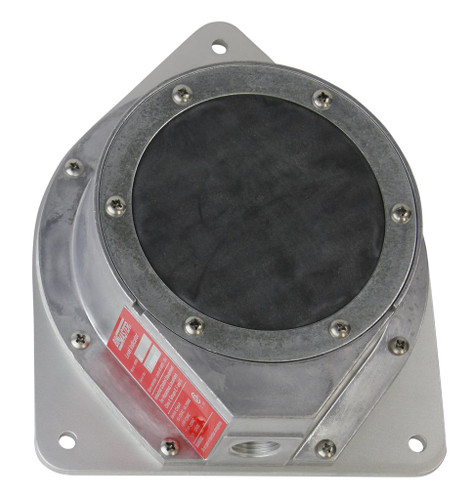
Radar level sensors and 3D Level Scanners help ensure that bins are filled to capacity. 3D measurement detects peaks and valleys to help users manage fill & empty gates.

Compliance Reports
BinMaster's software helps streamline reporting to help producers meet the record-keeping and reporting requirements of the Renewable Fuel Standard.

DDGS Distribution
By sharing available inventory levels of byproduct with buyers, ensure that dairy & swine feed producers have adequate production supply.
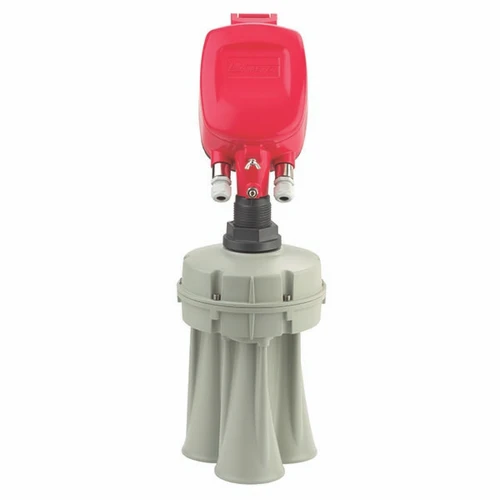
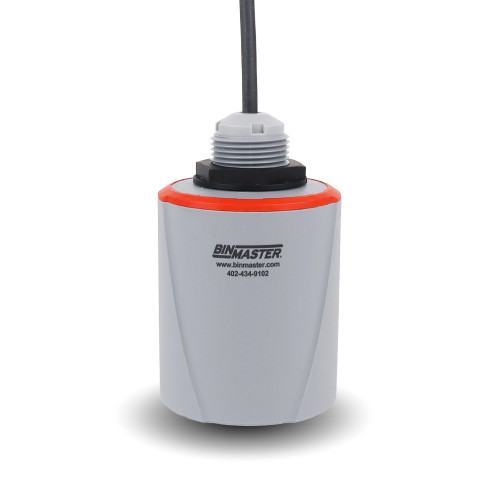
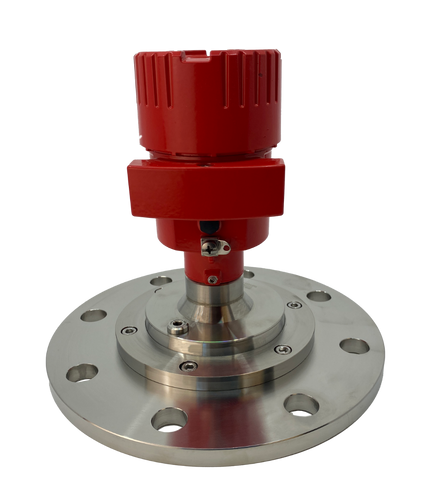
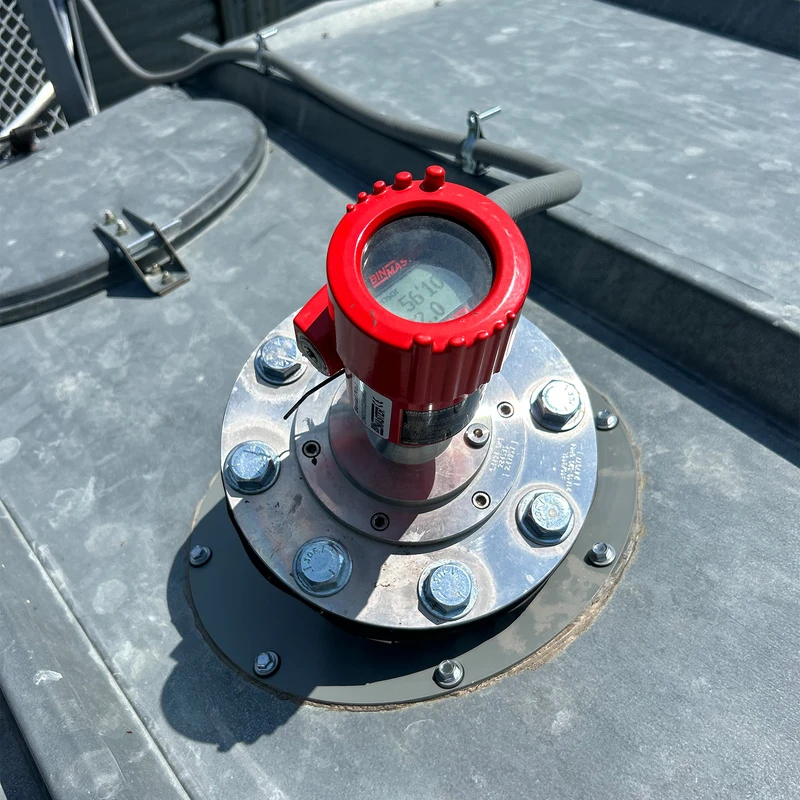
For most solid or liquid materials, the best level sensor for the biofuels industry is an 80 GHz radar.
For large diameter bins with uneven topography, a 3DLevelScanner will provide greater volume accuracy and 3D visualization of contents.
View the inventory of every bin, tank, or silo at every site with BinView® software, cloud-based and accessed from a phone, tablet, or PC.
One login lets users see every vessel at every site for one flat fee per vessel per year.
Gateways send data from your level sensors to the cloud.
If there are long distances between bins, using these versatile communication devices instead of hardwiring can save money.
If desired, local push-button consoles provide at-the-bin, on-site, instant access to level data while the gateway simultaneously sends the same, real-time information to BinCloud.
The primary difference between the sensors is that radar is a single-point measurement device, while the 3DLevelScanner is a multiple-point measurement device.
3D is suited to very large diameter bins that are prone to uneven material piling, especially when volume accuracy is important.
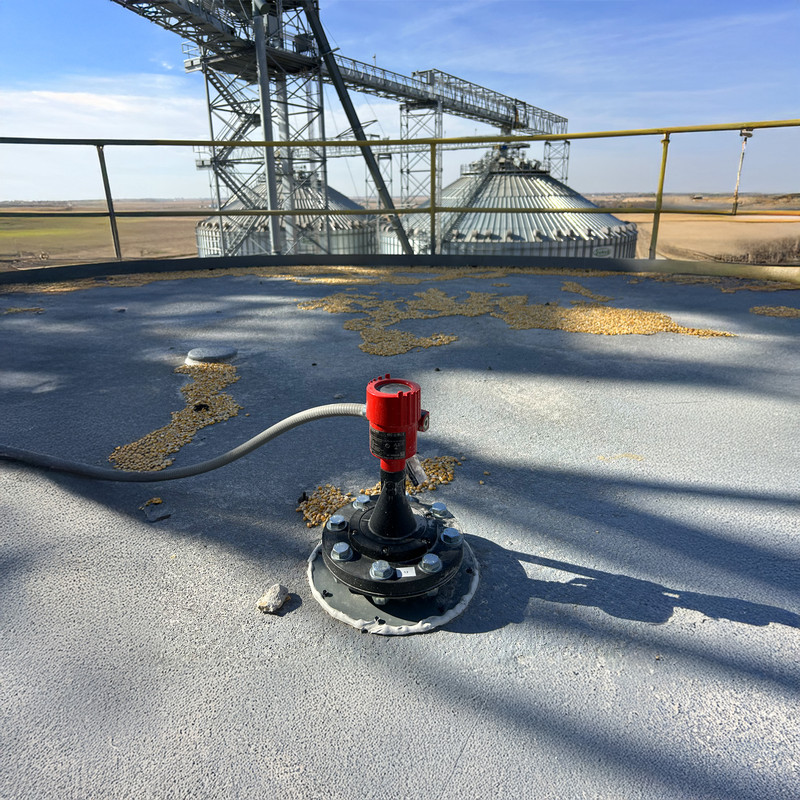
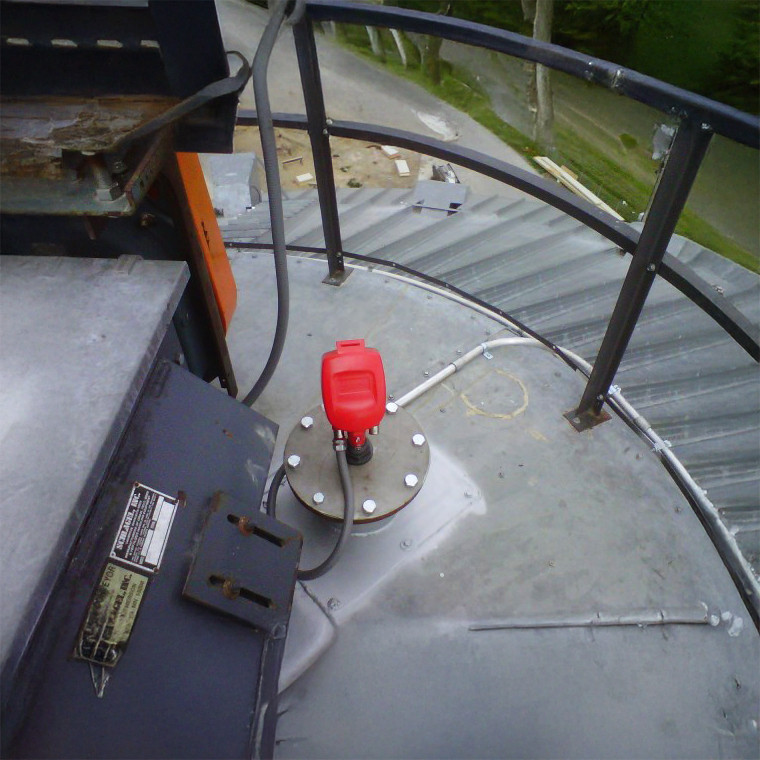
When volume accuracy is a requirement, BinMaster's exclusive 3DLevelScanner is the ultimate choice.